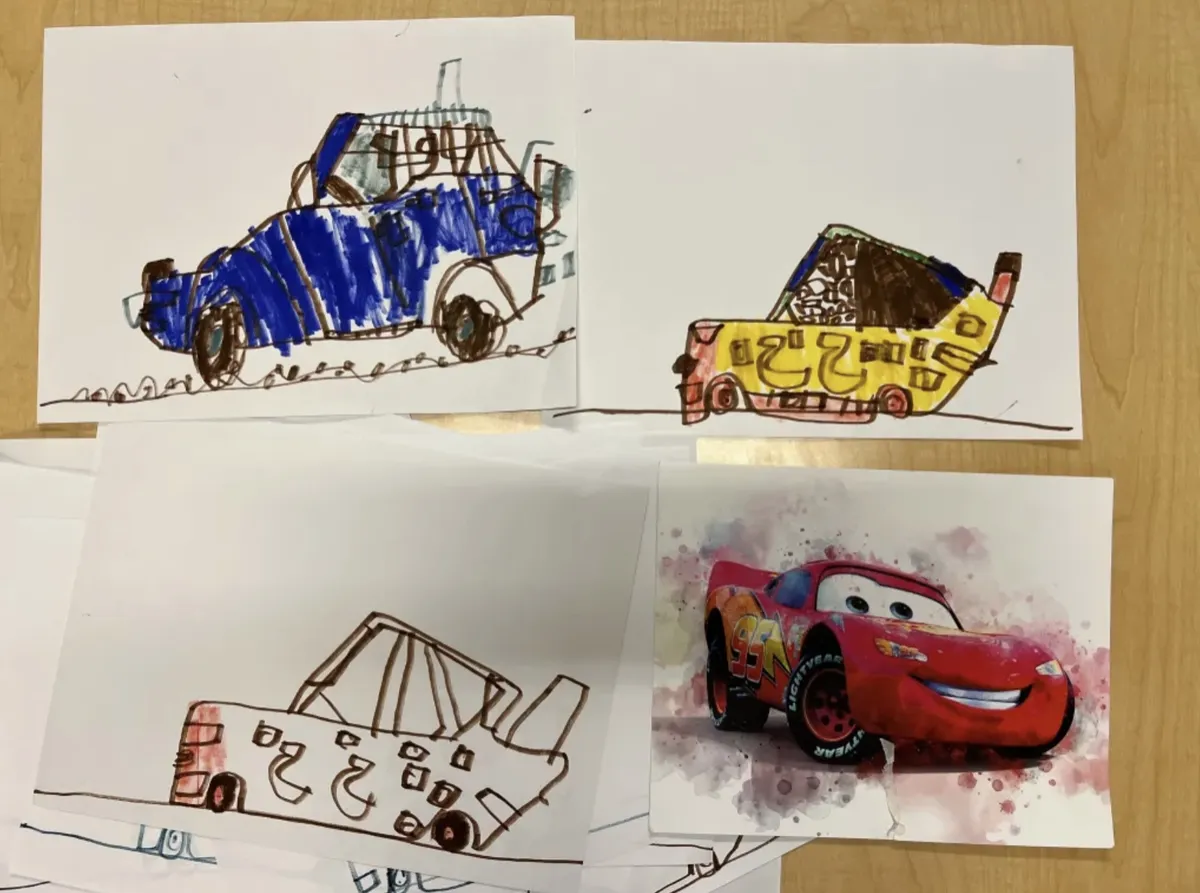
The Value of a Child’s Creative Work
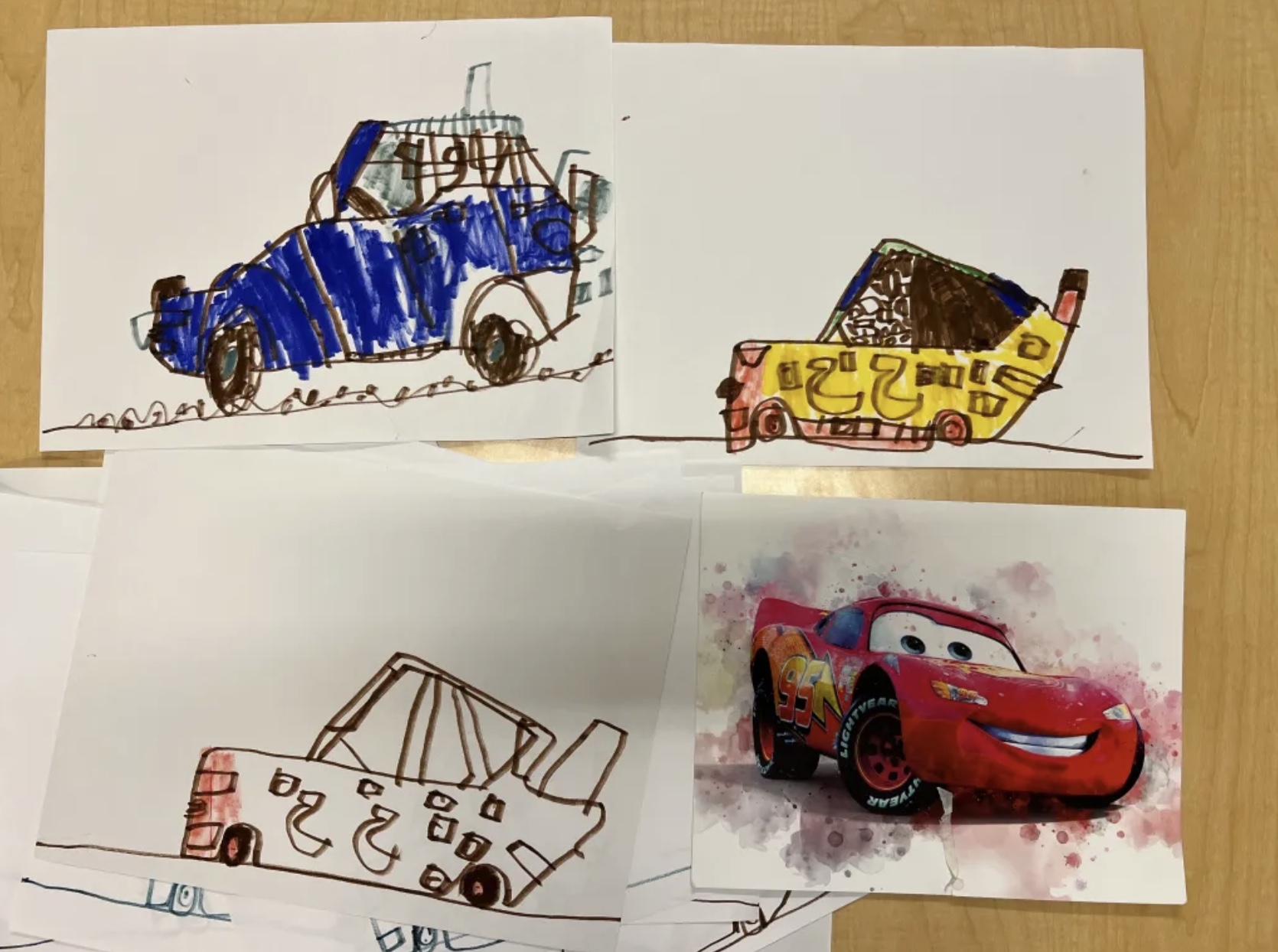
The Value of a Child’s Creative Work
A child spends an hour drawing, carefully adding details most adults might overlook. Another builds a cardboard structure, watches it collapse, and starts again with a different design.
It’s easy to see these activities as something children do between more important tasks. But look closely at the effort involved. They are making decisions, solving problems, and staying with an idea long enough to create something of their own.
For families considering an alternative to traditional school, these moments raise a useful question: What kinds of work do we recognize as valuable learning?
Look beyond the finished product
A drawing may never hang in a gallery. A homemade invention may never work as planned. But the finished product tells only part of the story.
Consider what a child might work through along the way. How can I make this look the way I imagined? Why won’t these pieces stay together? What could I change? Is it worth trying again?
When children care about what they are creating, they have a reason to work through those questions. They can practice sustained attention, patience, and the ability to adjust when an idea doesn’t work.
These habits matter in academic work, relationships, and future careers. Creative projects give children meaningful opportunities to practice them.
Making room for work that matters to the child
Adults usually decide which assignments children complete and how success will be measured. Creative work gives children opportunities to develop their own ideas and make judgments about the results.
A child might decide to learn a drawing technique because they want to illustrate a story. They might explore measurement because their design needs pieces that fit. An interest can give them a reason to seek knowledge, practice a skill, and ask for help.
Not every creative activity needs an academic connection to deserve time. Making something can be worthwhile because it allows a child to express an idea, explore a question, or enjoy the satisfaction of improving.
At Arete Academy, we value opportunities for students to pursue interests, make choices, and take responsibility for their work. Creative exploration belongs alongside focused academics as part of a well-rounded education.
How parents can support creative effort
Start by showing interest in the process. Instead of offering a quick “That’s beautiful,” try asking, “How did you decide to make it that way?” or “What was the hardest part?”
Give children access to materials and enough time to use them. When something goes wrong, allow them a chance to work through it before stepping in. Offer help when it’s needed while leaving room for their decisions.
And resist the pressure to turn every interest into a lesson, competition, or performance. Children need space to experiment without every attempt being judged.
The next time your child is absorbed in a drawing, a model, or an invention, take a moment to notice the work behind it. Their project may look simple to you. To them, it may be a difficult problem, an idea worth pursuing, or something they are proud to have figured out.
That effort deserves our attention.